 Basingstoke Observer
THE national lockdowns led to a surge in pet ownership thanks to many having ample time and energy to invest in settling an animal into their home.
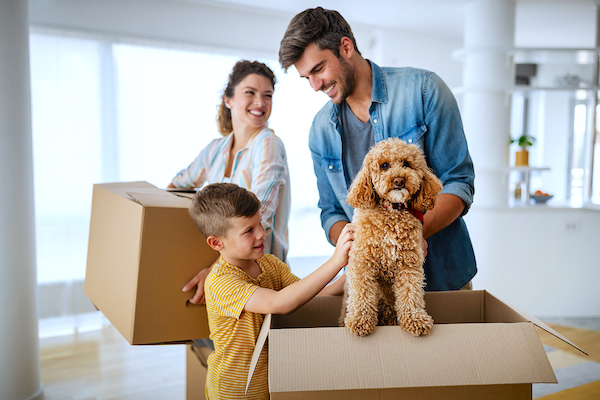
Similar levels of care and consideration should be shown with moving house with pets. To mark National Pet Month, Tilia Homes has teamed up with pet behaviourist and expert Nick Jones MA of Alpha Dog Behaviour to provide some helpful advice on giving pets a happy experience when moving home.
Nick shared: “There is plenty to think about when moving home and you don’t want to get caught out by overlooking the needs of the animals within your household. But there is no need to worry; common sense measures apply when moving home with pets. The aim is to make their transition as smooth as possible.
With smaller pets such as rodents, birds or reptiles, it’s more a practical task of carefully transporting all the equipment and then setting it up in an appropriate place. But for the likes of dogs, cats and rabbits, there are more emotional considerations at play. Make sure that you take some time well ahead of the move to reflect carefully about your pet’s needs and identify all the opportunities throughout the moving process where you can provide reassurance and maintain their routine to the best of your ability.”
Nick explains that pet owners need to start planning for their moving day far in advance of the actual date.
Explore any services you may be needing well in advance of the move. This will certainly include a new vet if moving to a different area, but potentially also grooming, day care or dog walking services – all of which are becoming increasingly popular and may have a waiting list.
It may be that you are moving in with someone and your pet will need to adjust to a new household. Work will need to be done on introductions before the move, especially where children or other animals are concerned. With dogs, my recommendation would be to start with short, positive sessions in a neutral, open space.
Take your dog for an introductory walk around what will be their new environment ahead of moving day. This could be the road or estate itself, or the nearby parks and likely dog walking routes. You can even do this on several occasions if your new home isn’t too far from your current property. This will give your dog the opportunity to start picking up all the local scents and start establishing some familiarity with their future locale.
In some cases, particularly with new build homes, it may be possible to take your dog into the new home itself for a short visit. This would be a good ice breaker to help reduce the sense of newness when the move ultimately takes place.
Consider where in your new home will be an appropriate environment for your pet and whether you will need to sensibly control access to any areas. You may need to buy a stair gate for example to prevent a dog from going upstairs initially.
Nick continued: “When it comes to the big day, make sure that you have a ‘pet moving kit’ containing all the essentials you anticipate you’ll need to help them settle in for that first night, before all the boxes have been unpacked. Have bedding to hand but make sure it’s their existing bedding (unwashed preferably) so that familiar scent is maintained for them.”
Once you have moved, maintain your pet’s usual routine as best as you can in respect of feeding, cleaning/grooming and exercising times.
Nick’s overall advice is to avoid setting too high expectations when moving house with a pet. “How your pet manages with the house move will depend on its age, character and adaptability. But stick with it, have patience and be sensitive to their needs – and in no time your pet should embrace their new surroundings.”