 Basingstoke Observer
WITH motorists around the country enraged after news of more fuel price increases, experts have revealed the biggest motoring turn offs associated with diesel and petrol vehicles.
While drivers currently have the choice between petrol, diesel, hybrid and electric models, the government’s ban on new petrol and diesel cars from 2030 will see motorists forced to make the switch to electric.
However, research into the biggest motoring turn offs reveals many Brits are making the switch ahead of the ban, due to frustrations with fuel prices, maintenance expense and environmental impact.
A spokesperson from LeaseElectricCar.co.uk said: “There are a number of factors which have contributed to motorists’s avoidance of petrol and diesel vehicles.
The increase in fuel prices coupled with the increase in the availability has seen a huge surge in demand for both electric and hybrid vehicles. Cost of maintenance and environmental impact have also caused motorists to make the switch to electric.
This is evidenced in the fact we have witnessed a 371 per cent increase in demand for hybrid vehicles since the turn of the year – even in a time of global uncertainty and rising fuel prices.
It is clear the UK has set its sights on the EV market, significantly pushing down the demand for petrol and diesel motors many years ahead of the 2030 ban.”
The price of petrol is hitting record highs amid the countrys’ cost of living crisis, severely impacting the lives and bank accounts of many people. This has been a major factor in causing motorists to turn away from investing in a petrol or diesel vehicle.
In comparison, electric vehicles are much more cost-effective to run and can be charged at home or at local charging stations.
As they have more moving parts than electric or hybrid options, the amount spent from maintaining and servicing a petrol or diesel car can quickly add up. With cars, more moving parts and liquids to change often means more room for error and issues. Components such as spark plugs, the timing belt and the exhaust gas regulator caniac cost hundreds of pounds to replace and are not used in electric models.
The savings associated with electric cars are largely driven by the cheaper average cost to upkeep them.
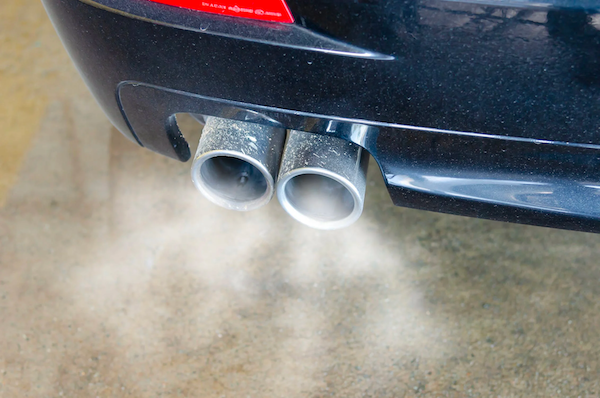
The footprint made by the automotive industry on the environment is huge, particularly when it comes to the production and running of petrol and diesel vehicles. These vehicles burn fossil fuels, releasing carbon dioxide along with pollutants like nitrogen oxides.
In an effort to prevent climate breakdown, eco-aware motorists are steering away from the harmful effect of petrol and diesel vehicles, and instead making the decision to choose electric. The contribution electric cars can make towards improving air quality is due to the lack of tailpipe. This means they produce no carbon dioxide emissions which considerably reduces air pollution.
More and more cities across the UK look set to follow London’s lead and introduce charges for motorists in a bid to reduce pollution by introducing congestion zones and ULEZs. Drivers with petrol or diesel motors can expect to have to pay charges within more cities in the coming years, while those driving electric vehicles are exempt and will therefore save money and frustration.